2005 Lexus GX470 | All-Pro APEX Rock Slider Install

It’s only a matter of time before most of us stray from the fire roads and start encountering the rocks, ruts and roots of the real world. If you have working doors on your rig, it’s generally nice to keep them that way. Things can quickly escalate when a rig slides off line and the rocker panel is one of the most vulnerable areas. Most modern vehicles also have a deep cut door and the line between rocker, door jamb and door skin is thin. One bad hit and the door and sill can be ruined forever. The best way to protect your rocker panels and doors is with a rock slider, period.
With rock sliders, one debate will rage for eternity…which is stronger: bolt on or weld on sliders. Truth be told, there is no right or wrong answer. Bolt on may seem weaker, but very little regard is often taken to the thickness of the base metal of the frame or skill of the installer with weld on versions. In the end, there are valid points to be made for either. Most importantly, proper design is the key to a rock slider’s function. A good bolt on slider should use a large plate to spread the load over a greater surface area of the frame rail, and the same can be said for weld on. Bolt-ons also have the advantage for DIY, as not everyone owns a welder (or is skilled at welding in the out of position movements needed to properly install).

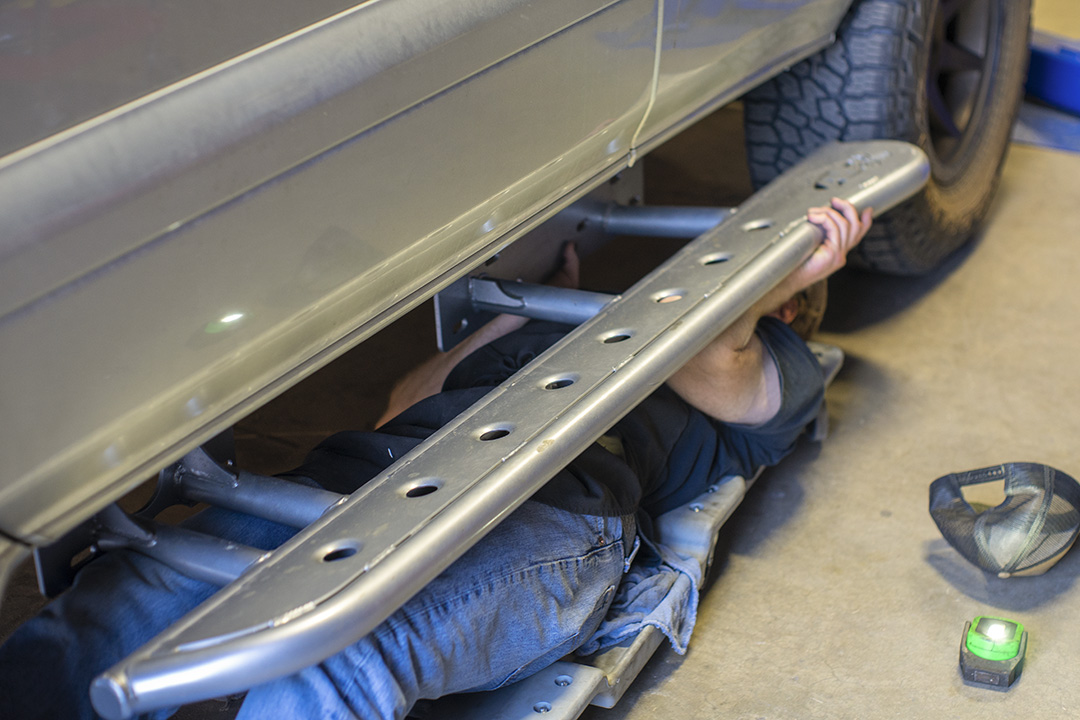
All-Pro has been in this game for quite a long time, making premium suspension, armor and other accessories for the Toyota market. They have a complete line of skids, bumpers and rock sliders for most of the late model Toyota platforms. They were the first to feature a ‘kickout’ style flare which helps keep the middle and rear parts of the vehicle further away from rocks, as the rear of the car tends to take a tighter path through technical terrain than the front does. Our staffers GX470 was in need of some better slider and step protection, the stock plastic running boards on this GX had taken a couple decent hits off-road, but were also beginning to crack simply from normal usage. They are a very weak design, and most 200+lb owners will probably find them starting to fatigue if they use their step boards to wash the roof, put items in a roof rack, pack up a roof tent etc. They also mount directly to the body, so the potential is there for the mounting holes to be damaged if they ever took a good enough hit. Rather than wait for a rock to claim the boards entirely (and be stuck trying to figure out how to bring the shattered pieces home so we aren’t littering), we looked to All-Pro for a solution.
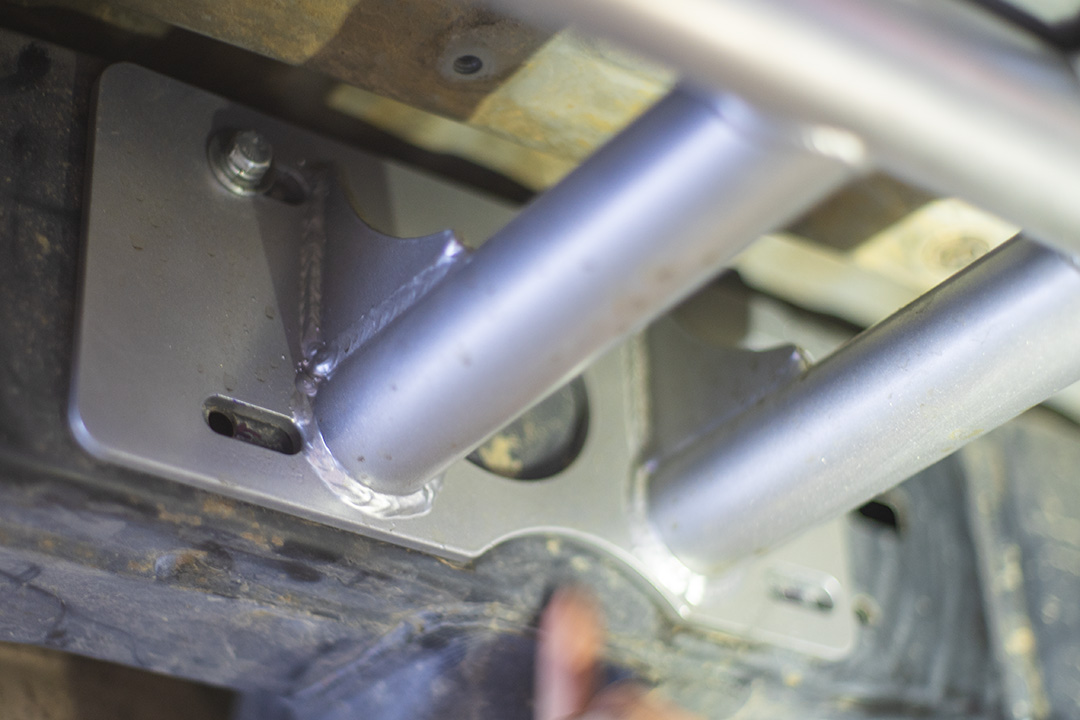
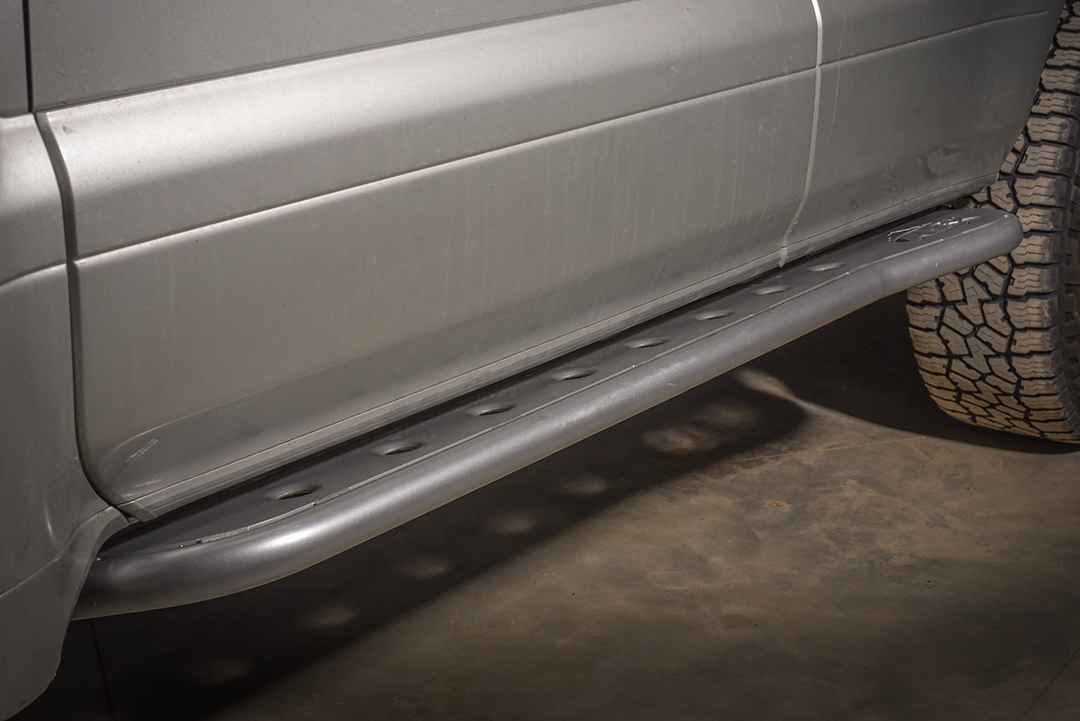
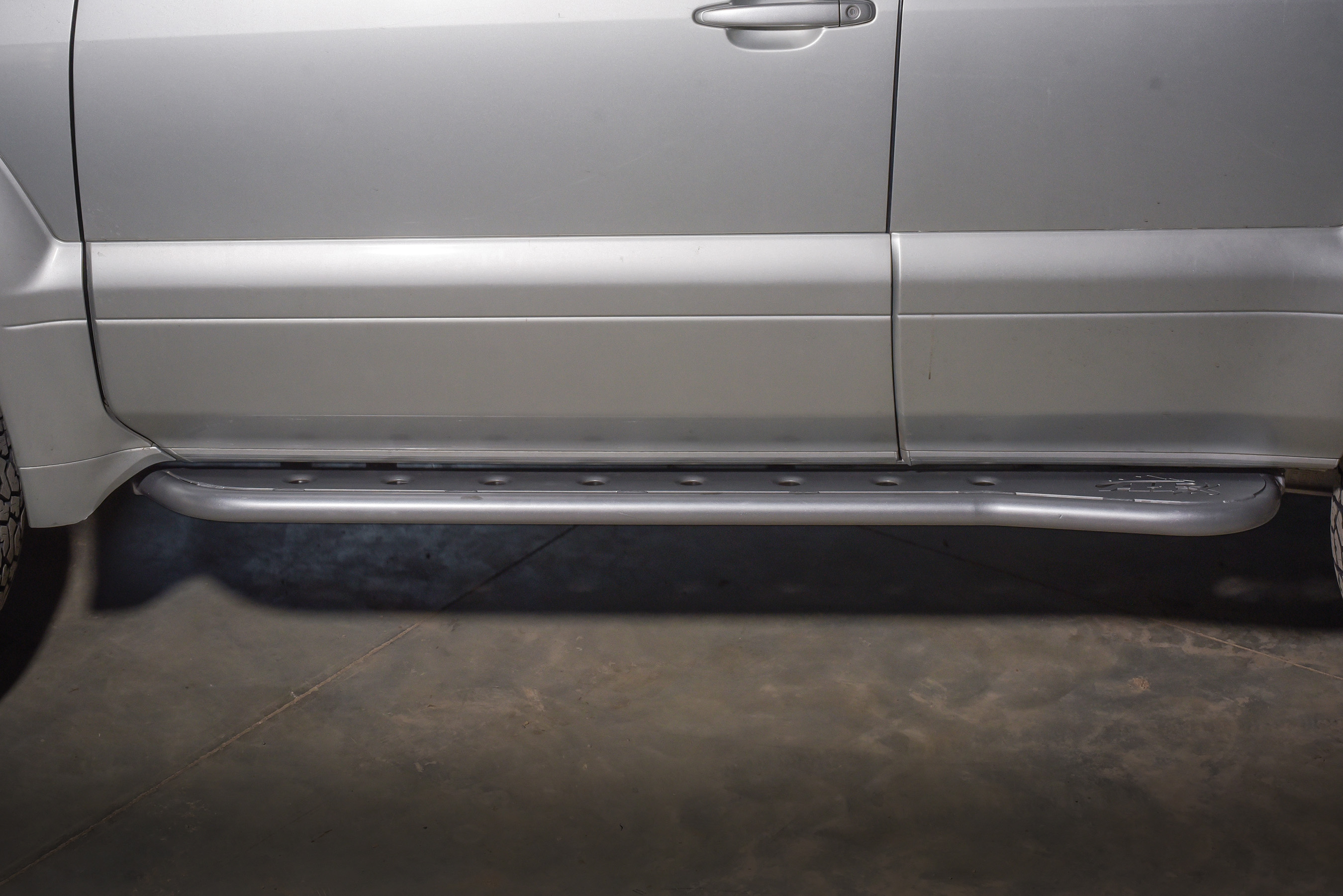
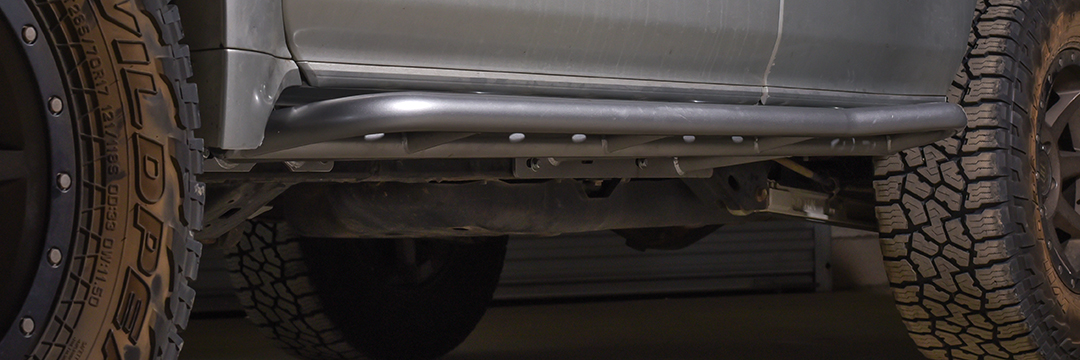
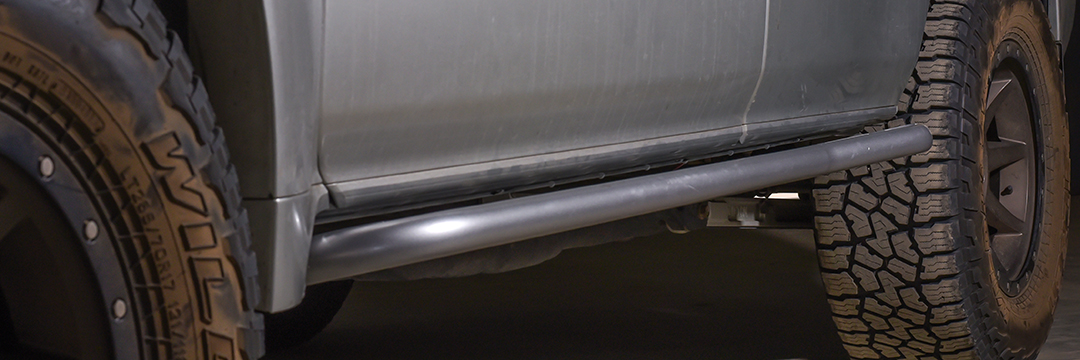
All-Pro currently offers several variants of rock slider for the 2010+ 4Runner. Both variants feature 4 gusseted mounting legs, which land on 3/16” thick flanges that cover an extensive section of the frame. Both are available bare or powdercoated, and are KDSS compatible. The entry level version uses an elegantly simple pair of 1.75” tubes to do their job. They also offer their premium version: the APEX slider. The APEX features full, dimple-died fill plates between the main slider tube and the the kicker tube on the outboard. Either variant offers 100% bolt-on application for the 2010+ 4Runners, with a socket wrench and helper being the only real necessary tools to install. At the moment, All-Pro doesn’t offer anything for the GX, but knowing that it shares a platform with the 120/150 series, we knew the fitment had to be close. As our staffers’ GX does double duty as a family hauler for 2 toddlers, we chose the Apex to limit the spots a small human foot could get stuck on entry/exit and to allow a more stable standing platform.
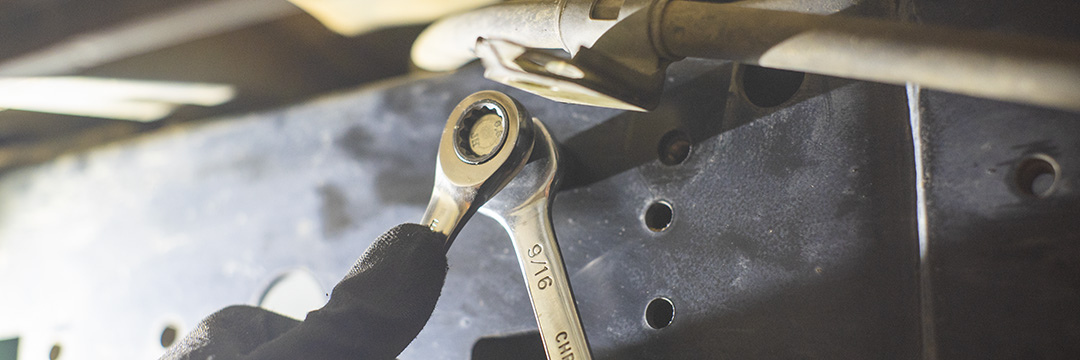
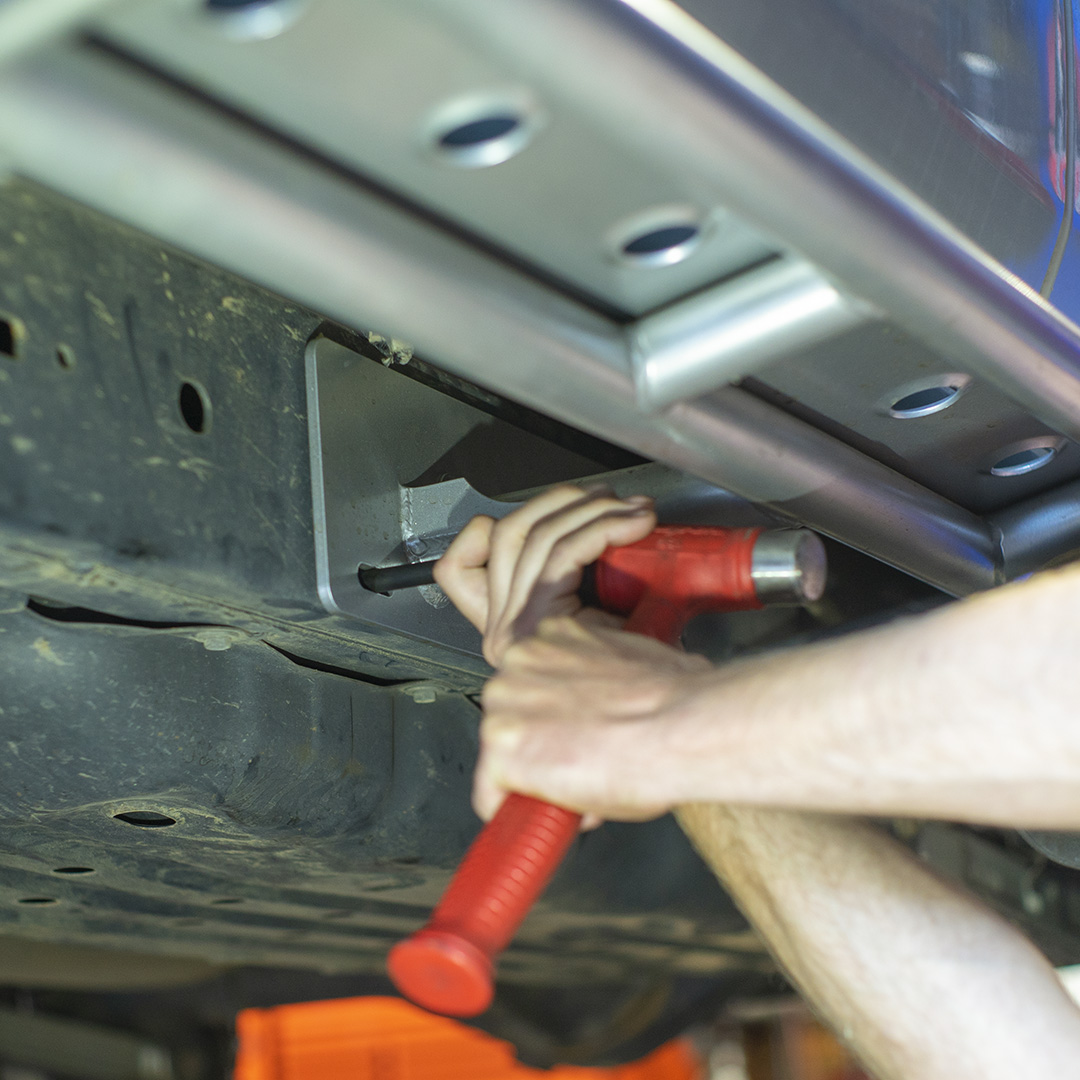
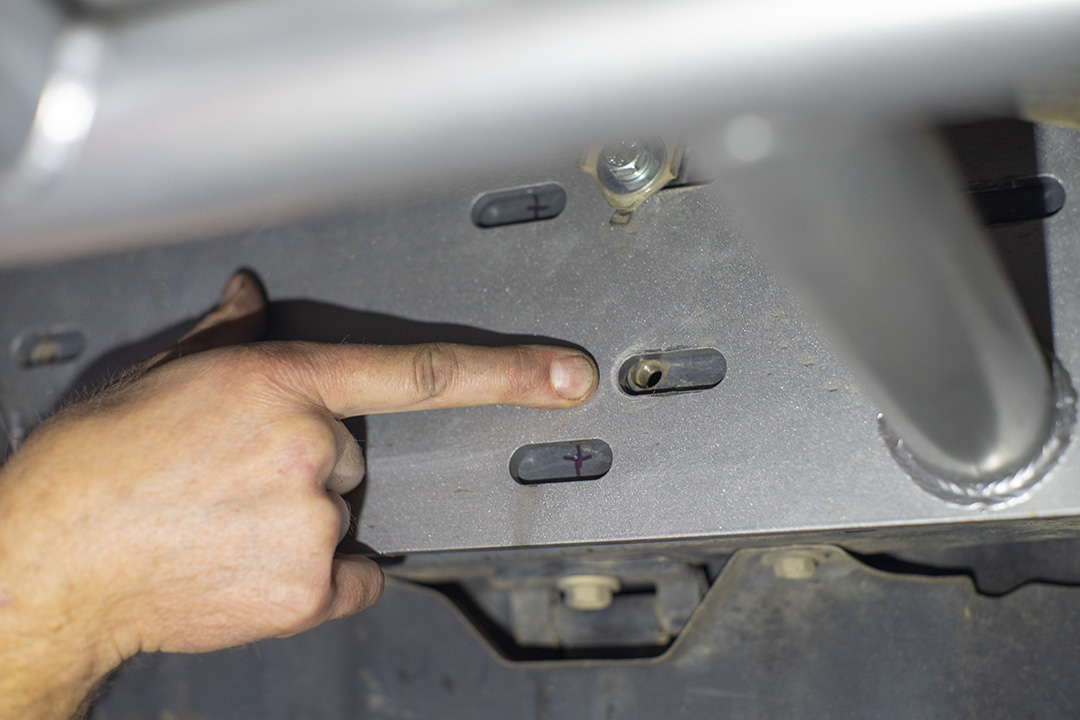
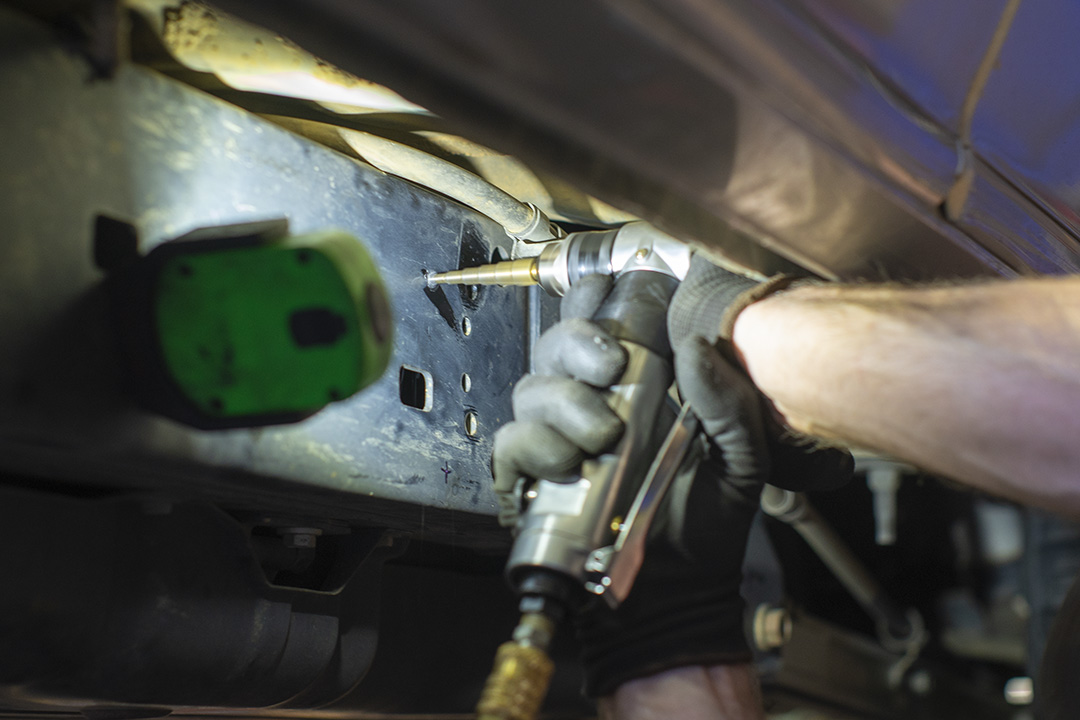
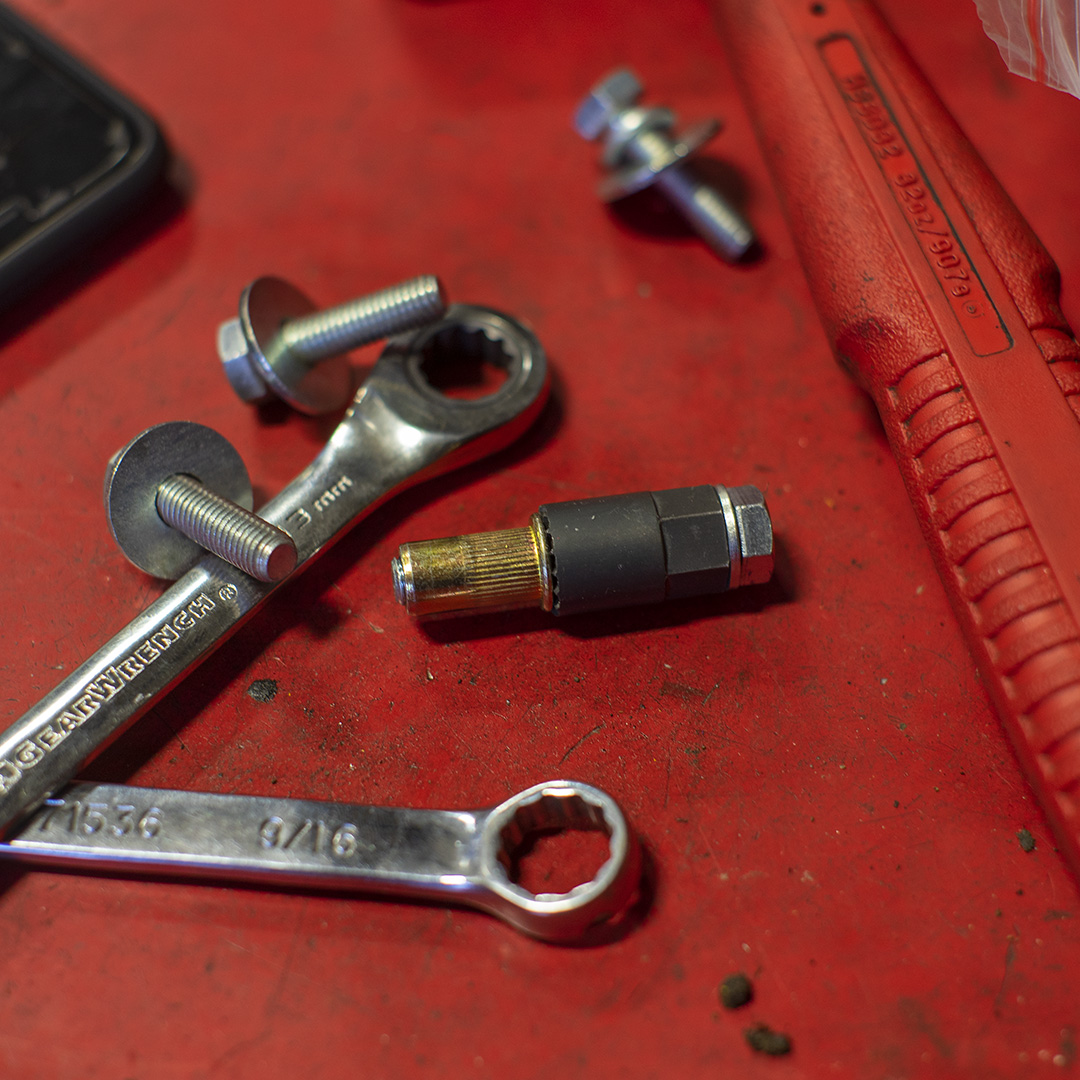
The 120 and 150 series both have numerous weld nuts mounted to the frame, which allow accessories to be directly attached to the frame. The 150 series (2010 and up SUV models) have roughly 10 holes per side. The 120 series has less, but does share a few common holes that still line up. We decided to get creative and use what holes we could, then use riv-nuts to make up the difference and add clamping area. If you’re not familiar with riv-nuts, they are great for adding threads to blind holes in body sheet metal or boxed frames. With a flanged head, serrated wall on the outer barrel and threads at the tip, once the riv-nut is inserted a bolt of the proper size can be used to start torquing the insert down. As the barrel is torqued, it starts collapsing and clamps itself to the frame. When properly installed they can be quite strong, in fact most Jeep body shell armor for rockers and fenders uses riv-nuts. We’ve found, the best ‘tool’ is simply an appropriate length bolt, a nut one size larger, a serrated washer between the riv-nut and larger nut, and a flat washer between the bolt head and larger nut. In this case, we had a specific tool left over from another kit which worked even better. While, riv-nuts may sound like a cut-rate solution, keep in mind that a single M8 riv-nut has roughly 8kN of shear strength and 10kN of tensile strength; with 11 bolts per side, we feel more than secure for the use this vehicle will see.. The finishing touches for this upgrade come in the form of paint matched powder coating on the sliders, careful trimming of the factory running board shells to retain a stealth look, and some small LED lights purchased off Amazon wired into the orignal factory step board wiring circuit. Not only did this one simple upgrade add tons of protection to the vulnerable rockers, we kept all the factory functionality while improving the aesthetics of the rig to boot.