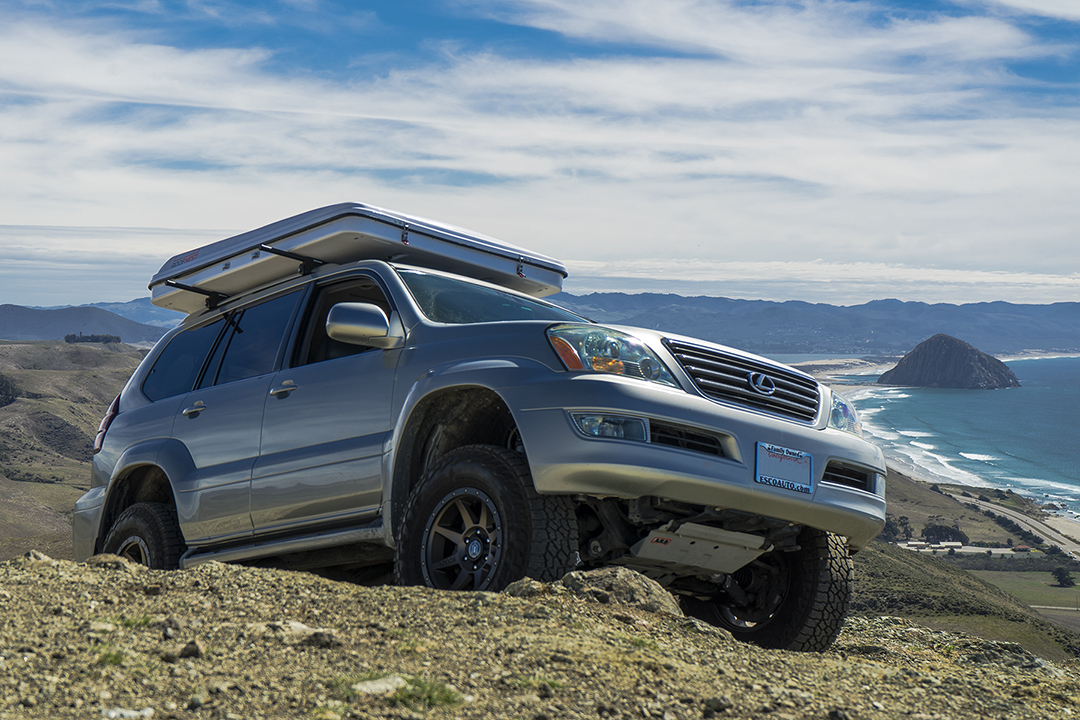
2005 Lexus GX470 | Nitro Worm Gear Limited Slip
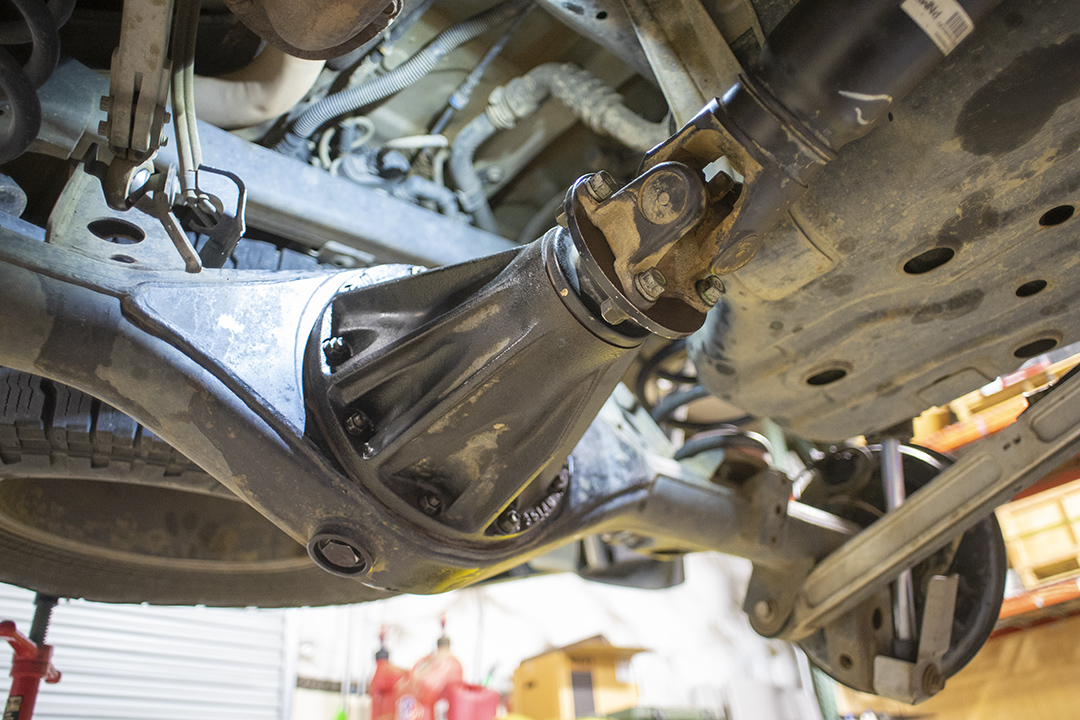
I’ll just come right out and say it: we get a LOT of questions about gears, differentials, and axles. They are critical components for 4x4s, and also see a ton of abuse. Sure, it may seem like we always push lockers on our customers, and of course it’s one of the most common upgrades we get asked about. A locker is usually the difference between making an obstacle, or going nowhere. Often, open diffs inadvertently break more parts too, as they encourage wheelspin and momentum wheeling styles. The shock loading generated by this style of wheeling can be extremely hard on components and as the spider gears rapidly load-unload-load-unload while the spinning tires hunt for traction, it’s only a matter of time before something catches and overloads the system (and the ring and pinion or spider gears start shedding teeth like a bare knuckle boxer).
There are alternatives to lockers though, namely, limited slip differentials. There are several types of limited slip, but the most common units found in off-road applications are clutch based posi tractions, which function similarly to the clutch in a manual trans, and helical gear limited slips, which use a more sophisticated series of worm and spur gears to spin the case together but allow some level of differentiation between the driven wheels. The end goal of a limited slip is always to allow both tires to spin together in a straight line for more traction, with balanced power between them, but allow a *ahem* limited amount of slip *ahem* as the vehicle corners (and each tire travels a different distance and speed). Nitro has recently started releasing their own line of Worm Gear limited slips
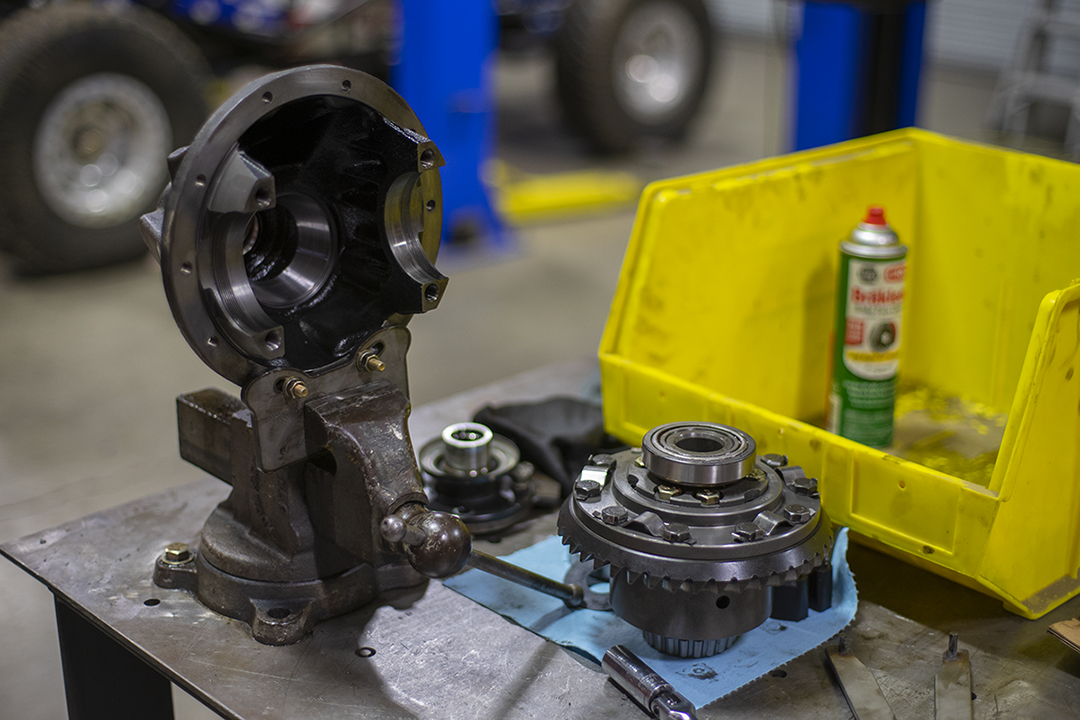

Worm gears diffs are great for a few reasons:
- Few wear components, the harder a clutch posi is used, the faster they can wear
- No extra supporting accessories like switches, air lines or cables are needed.
- They are silent and transparent in daily operation (no clunk or locker lane-change)
When this part makes sense:
- When simplicity is key.
- When a worn or high mileage differential needs servicing.
- When the vehicle isn’t likely to lift a tire often.
- When the vehicle is a daily driver, and the extra traction is always welcomed.
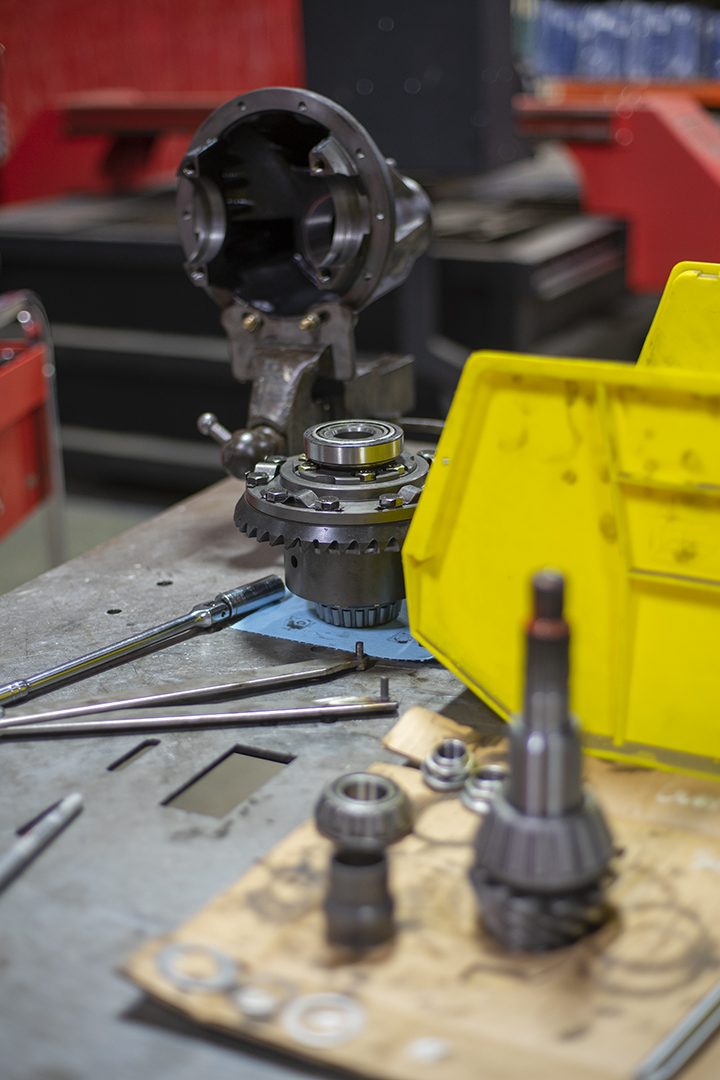
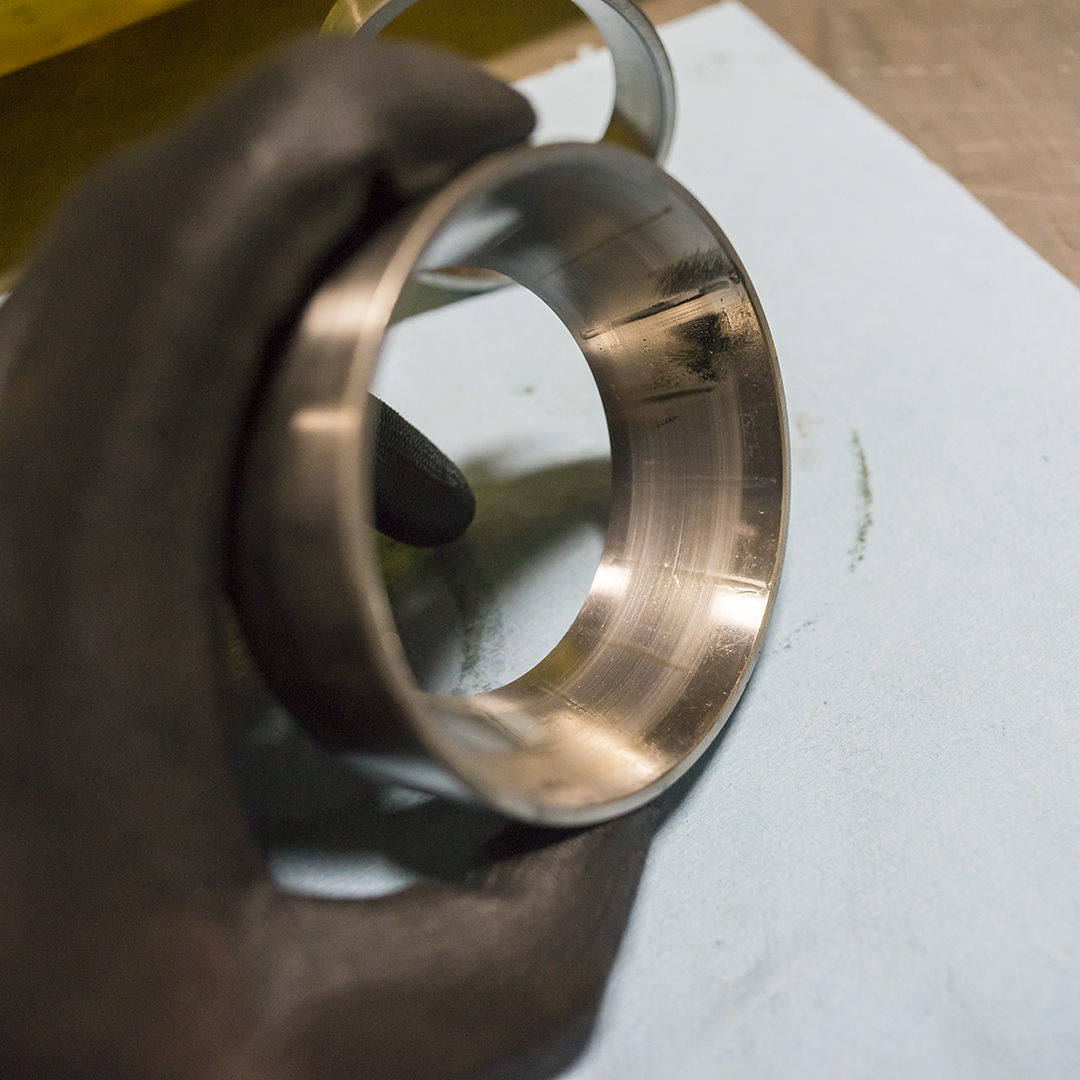
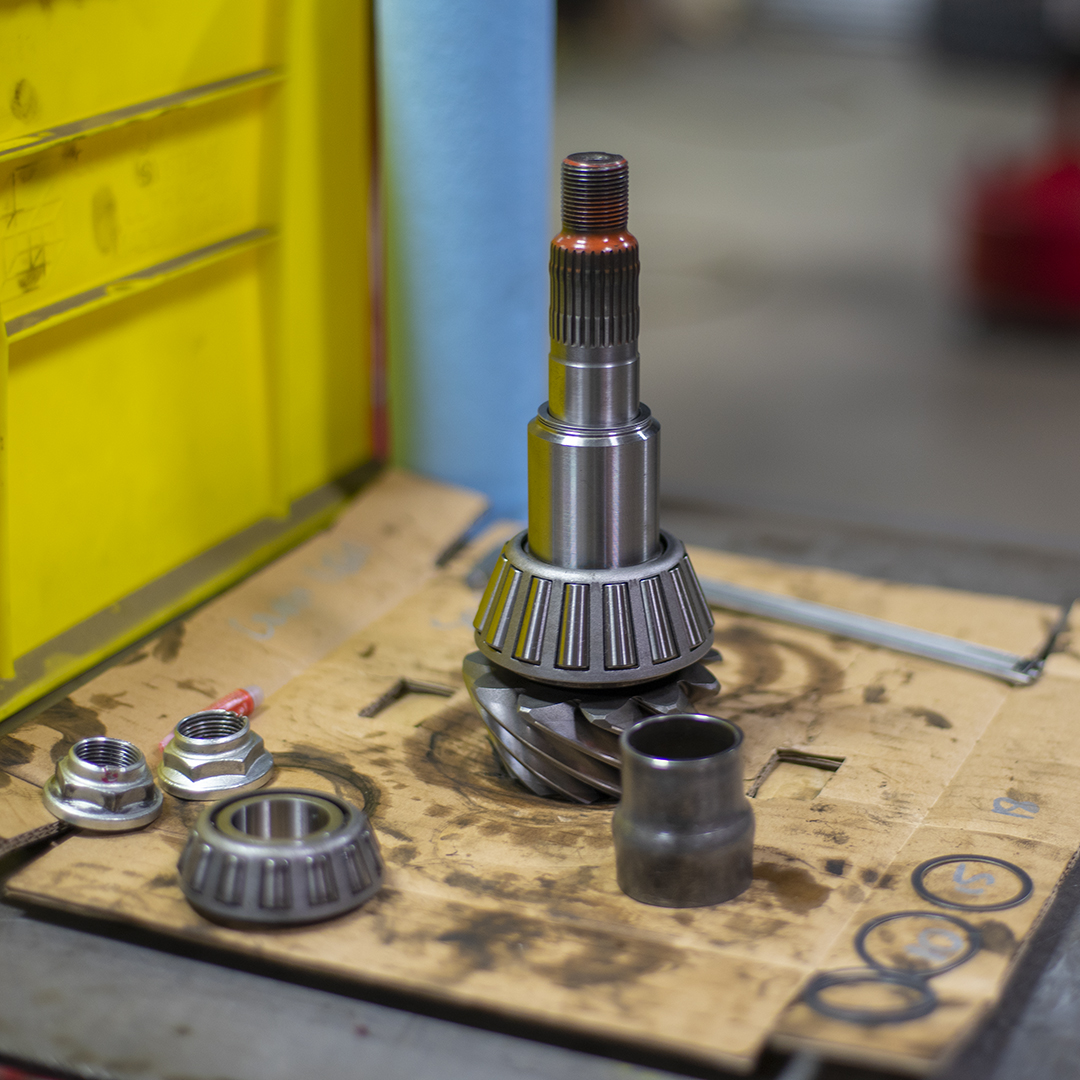
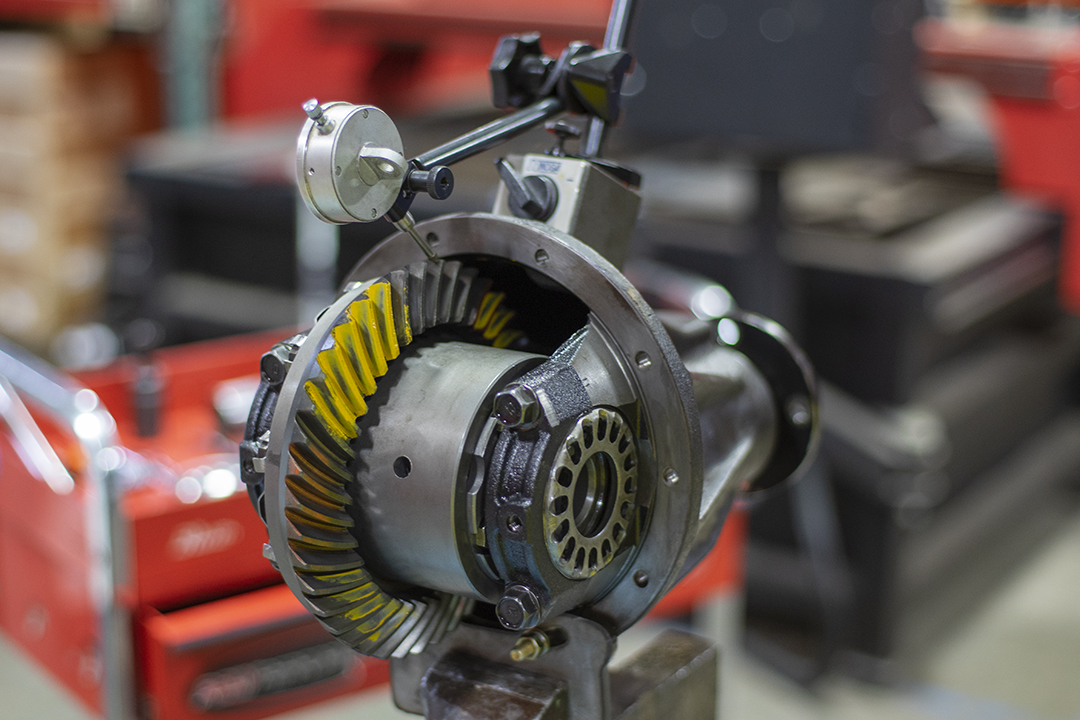
Any time a new differential is installed, it’s a perfect time to replace the bearings and seals as well. Over time and use, bearings wear and have a finite service life, seals can weep and as gears wear in the mesh pattern can no longer be ideal. Given the amount of labor involved to get a diff in and out, and properly setup, it’s always strongly advised to always replace everything so you have a known good variable. Properly setting up a diff is a balancing act of 3 primary variables: pinion bearing preload, pinion depth and carrier backlash, each with its own specific window of acceptable tolerance. Pinion depth essentially refers to where the pinion lands on the face of the ring gear, ideally in the center. Once the depth is set correctly, the bearing preload can be set to its tolerance, easy enough considering there is a mfg specified range to be in. After the pinion is finally set, the carrier backlash can be locked in (also to a manufacturer specified range) and the diff is done. Another way to think about it is like this: Pinion depth is the X-axis, and carrier backlash controlled by the Y-axis. As one variable moves, so does the intersection point. The backlash spec could be viewed as the thickness of the line, as one variable moves it will eventually leave the allowable range and the other variable needs to adjust accordingly.
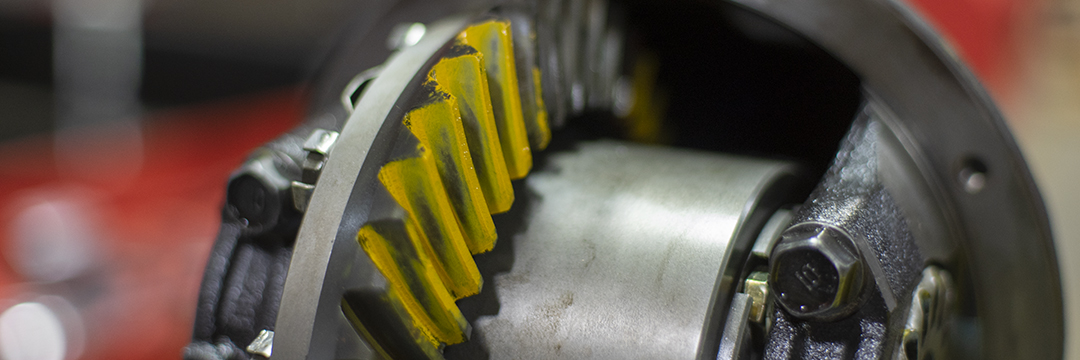
In the case of this vehicle, our staffers Lexus GX470, the vehicle already had 140k on the clock. Making matters worse, the GX uses the same old 8” Toyota diff the original mini-truck uses…sure, they upgraded the carrier bearings in the mid 80s when they started equipping them with V6’s, and then added a few more pinion splines in the early 2000’s as the vehicles continued to grow in weight and power…but deep down it’s the same little diff. It’s not a bad little diff, but given that it’s moving twice the weight and handling thrice the horsepower it was originally designed for, it’s probably less than an ideal choice. To make matters worse, like most modern vehicles, this diff uses a pinion bearing crush sleeve. While they save time on assembly, they are also prone to crushing down in high load, high power applications and/or aggressive use. As they crush down, the pinion bearings lose preload and quickly eat themselves alive. As the bearings wear, the pinion loses its backlash and no longer meshes nicely with the ring gear. Sooner or later, the gear teeth will have enough and start departing for a life at the bottom of the diff housing.
When we pulled the diff, it was no big surprise that the pinion preload and carrier backlash were both out of spec, in other words, a ticking time bomb. What we decided to do here was keep it simple, no beefy axle swaps or glamourous locker was necessary for this build. Given that this rig will spend most of its time on the street as a daily driver, with relatively minor trail use and towing a small camper trailer off road, we chose to upgrade with maximum reliability in mind. First things first, a new set of bearings and a solid pinion spacer (also called a crush sleeve eliminator) were added, both from Trail Gear. By using a solid machined spacer in place of the OE crush sleeve, we trade a quick assembly time for a much more reliable setup to control the preload. Bearing preload is controlled by the stack height of the main spacer and thin shims used to fine tune the preload into its specified range. This is a process of ‘fit, check, make notes, re-fit, re-check, repeat if necessary’ and while it’s not as fast, we can take confidence knowing that the bearing preload will remain consistent over the life of the differential.
The Nitro Worm Gear Limited slip does a great job of minimizing wheel spin in a simple, reliable and affordable package. Fresh bearings ensure a clean baseline and long term reliability, and the solid pinion spacer provides the final key in preventing the slow (or sometimes precipitous) cascade of failure that leads to many blown diffs. In case we ever need to open up the diff again, we won’t have to waste anytime scraping off messy RTV sealant thanks to the LubeLocker re-usable gasket we installed too. Sometimes a little bit of preventative maintenance and upgrades can go hand in hand.